

NEW DELHI, India: India has firmly rejected the European Union's latest round of sanctions on Russia, asserting that it does not recognize unilateral punitive measures.
The Ministry of External Affairs (MEA) made the statement following the EU's announcement of its 18th sanctions package targeting Russia's energy sector amid the ongoing war in Ukraine.
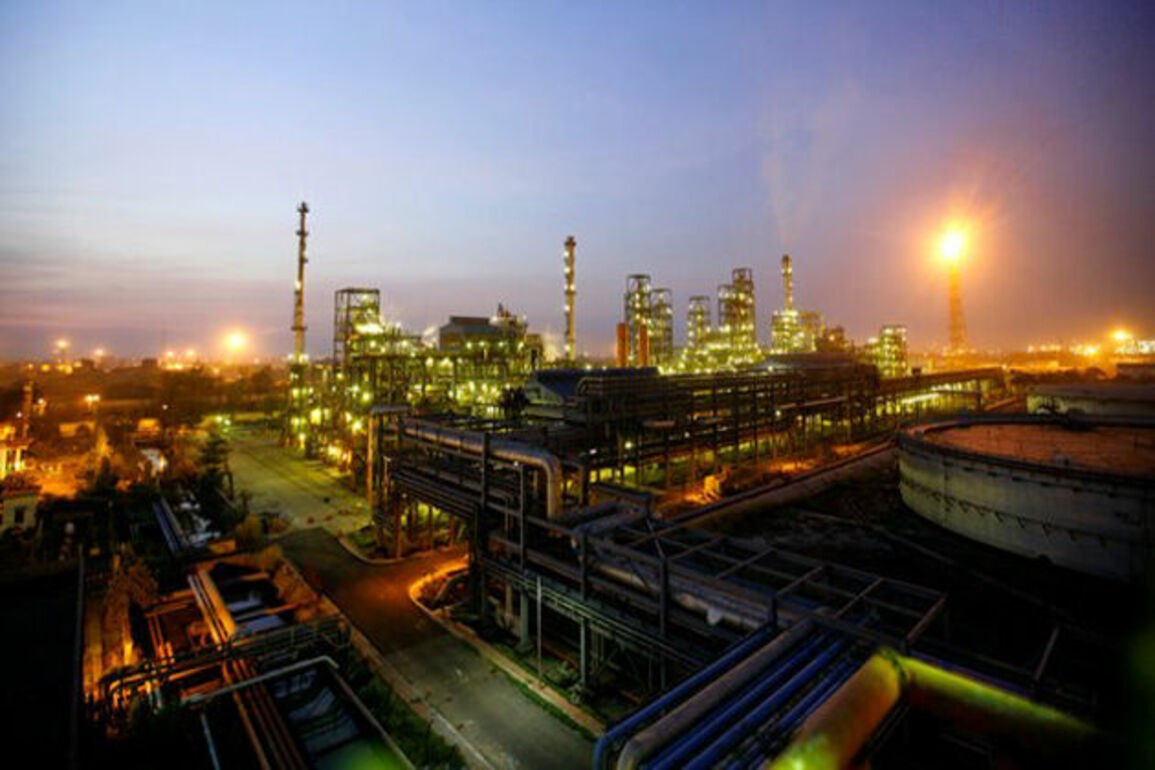
The sanctions, described by EU foreign policy chief Kaja Kallas in Brussels as "one of the strongest to date," include a lowered oil price cap and restrictions on 105 vessels allegedly part of Russia's shadow fleet. Notably, the EU also flagged India's Vadinar Refinery, which has significant investment from Russia's state-owned oil giant Rosneft.
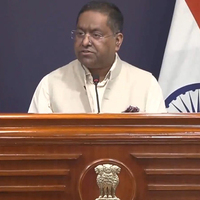
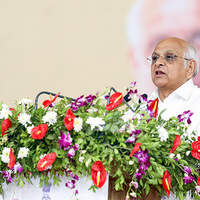
Responding to the move, MEA spokesperson Randhir Jaiswal stated, "India does not subscribe to any unilateral sanction measures." He emphasized India's commitment to its international obligations while defending its sovereign right to ensure energy security for its population. "Providing energy security to meet the basic needs of our citizens remains a top priority," he said, adding, "There must be no double standards, particularly concerning energy trade."
Kallas reiterated the EU's resolve to continue pressuring Moscow: "Europe will not back down in its support for Ukraine. This is a clear message to Russia."
Ukrainian President Volodymyr Zelenskyy welcomed the measures, calling them "timely and necessary" in light of escalating Russian attacks. He also announced that Ukraine would align its sanctions with those of the EU and introduce additional measures.
The Kremlin dismissed the sanctions. Spokesman Dmitry Peskov called them "unlawful" and claimed Russia has developed "immunity" against such restrictions. "We will assess the new measures and take steps to minimize their impact," he said.
Meanwhile, the United Kingdom joined the crackdown, imposing sanctions on Russia's GRU military intelligence units and 18 officers allegedly linked to a 2022 bombing in southern Ukraine and other covert operations.
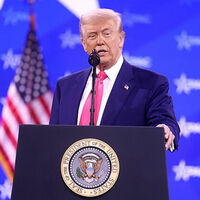
The EU's proposed oil price cap, set initially at US$60 per barrel, has now been lowered to just under $48—a figure below current market rates. The European Commission had sought wider international backing for the cap, particularly from G7 nations, but failed to win support from the U.S. under the Trump administration.
Oil remains a vital pillar of Russia's economy, allowing President Vladimir Putin to sustain military spending while shielding the public from severe economic fallout.